
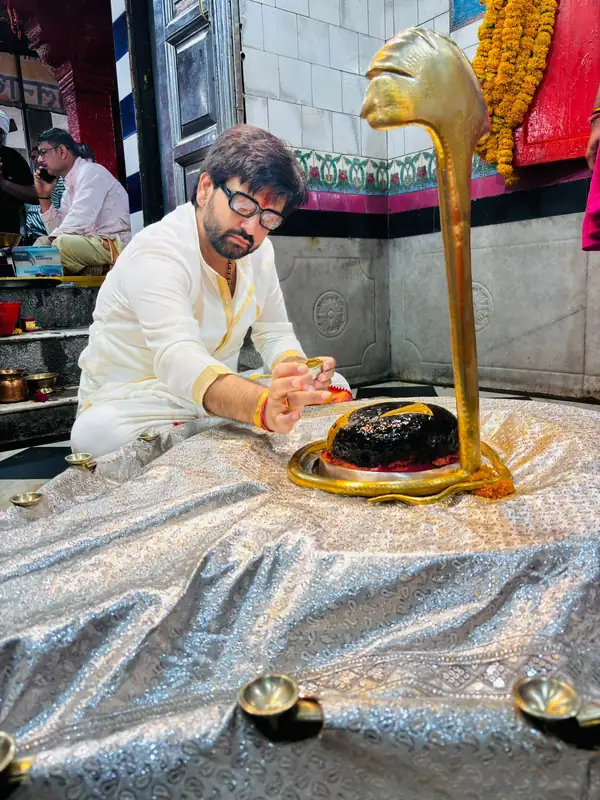
Mangal Dosh Puja in Ujjain
The shanti families book after kundli matching shows Manglik Dosh — done where Mangal is worshipped as Mangalnath.
Mangalnath is the temple of Ujjain that belongs to a planet. The Puranas place the birth of Mangal here, astronomers once watched Mars from this rise above the Kshipra, and to this day families arrive with a kundli in hand.
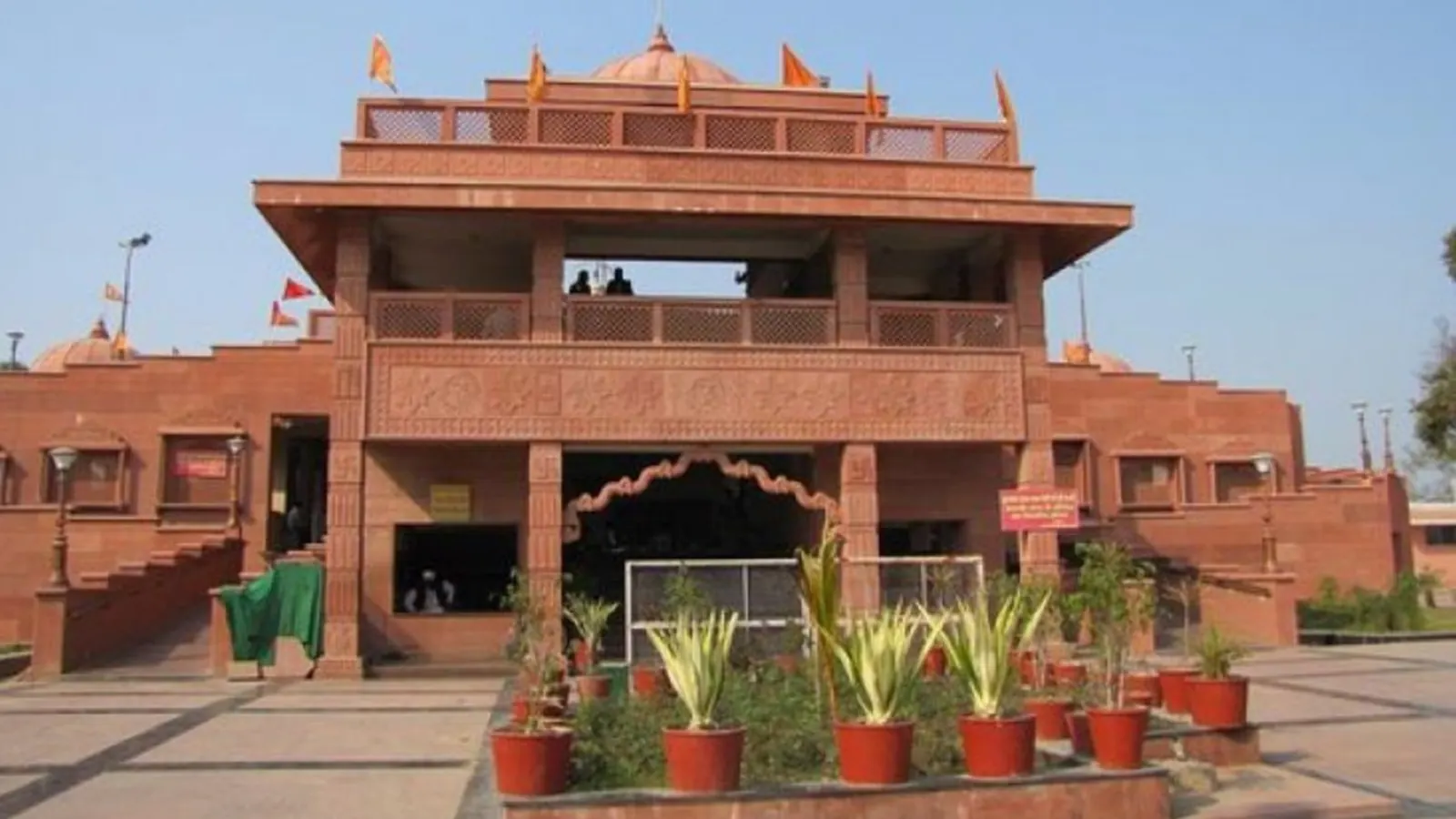
The Matsya Purana describes Mangalnath in Avantika — the old name of Ujjain — as the place where the graha Mangal took birth. For this reason the temple holds a position no other Mangal shrine can claim: it is regarded as the planet's own home.
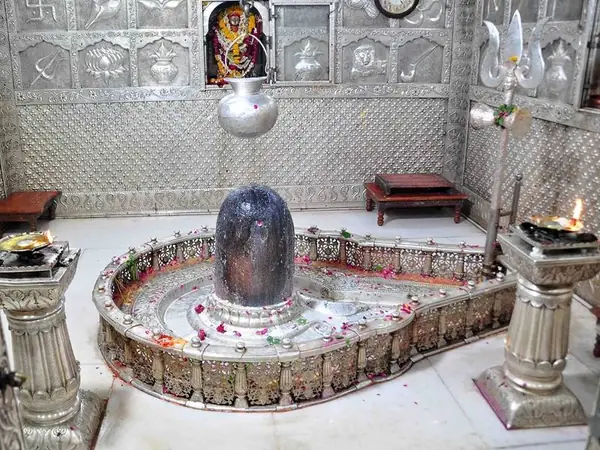
The deity in the sanctum, however, is Shiva. He is worshipped here as Mangalnath, the lord of Mangal, in the form of a Shivling. A puja for Mars at this temple is therefore always a puja of Shiva as well.
The Avanti Khanda of the Skanda Purana tells the story. The demon Andhakasura had won a boon: from every drop of his blood that touched the ground, another demon like him would rise. Armed with it, he overran the worlds, and the devas turned to Shiva.
Shiva fought him at Avantika. As the battle wore on, a drop of sweat fell from Shiva's brow onto the earth. The ground split with heat, and from it rose a being red in colour — Mangal. He drank the blood of the demon before it could touch the soil, and Andhakasura was overcome.
Because he was born of the Earth, Mangal is also called Bhauma and Bhumiputra, son of Bhumi; because he is red, Angaraka and Lohitang. Shiva gave him a place among the grahas, and the spot where he arose became Mangalnath.
Ujjain was the Greenwich of classical India. Astronomers reckoned longitude from a meridian drawn through the city, and treatises such as the Surya Siddhanta use it as their reference line. The Tropic of Cancer passes close by, which made the city valuable for observing the Sun's turning points.
Tradition holds that Mangalnath, set on high ground above the river with an open horizon, was a point from which Mars was watched. Whether one comes to it through scripture or through the sky, the association of this place with the red planet is very old.
The present structure is generally dated to the Maratha period, when the Scindia rulers restored many of Ujjain's shrines. It stands on the northern side of the city along Ankpat Marg, near the ashram quarter, with steps leading down towards the Kshipra.
Tuesdays, the day of Mangal, bring the largest gatherings of devotees, as do Angarak Chaturthi and the month of Shravan. During the Simhastha held on the banks of the Kshipra, pilgrims include Mangalnath in their round of the city's temples.
Mangal is a graha of heat — of fire, courage and blood. Cooked rice is cooling and pure. Out of this pairing grew the offering Mangalnath is known for: Mangal Bhaat Puja, in which rice is laid over the Shivling with the Mangal mantra.
Alongside it, families whose charts show Manglik Dosh sit for the fuller Mangal Dosh Puja. If you are new to the subject, what Mangal Dosh means explains the houses involved and when the dosh cancels.
Temple timings change with festivals and seasons. Please confirm them on the call before you plan your visit.
Last updated on .
The Matsya Purana names this spot in Ujjain as the place where Mangal (Mars) was born. The Skanda Purana tells how the graha arose here from a drop of Shiva's sweat during his battle with the demon Andhakasura.
The presiding deity is Shiva, worshipped as Mangalnath — the lord of Mangal. The Shivling in the sanctum is the centre of every puja performed here.
The temple stands on a rise above the Kshipra (Shipra) river, on the northern side of Ujjain.
Classical Indian astronomers ran the prime meridian of their calculations through Ujjain, and the city lies close to the Tropic of Cancer. Mangalnath is traditionally regarded as a point from which Mars was observed.
It is the temple families across India associate with Mangal Dosh Puja and Mangal Bhaat Puja, in which cooked rice is offered over the Shivling.
The shanti families book after kundli matching shows Manglik Dosh — done where Mangal is worshipped as Mangalnath.
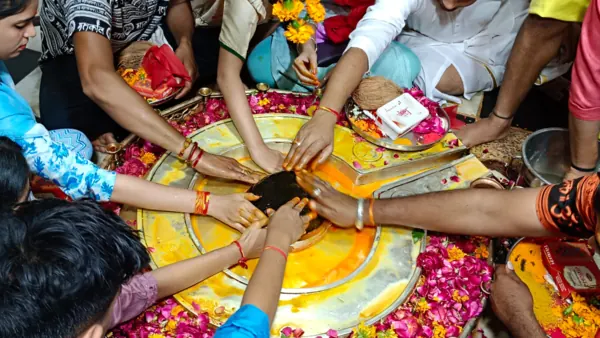
Cooked rice laid over the Shivling — the offering Mangalnath Mandir is known for across the country.
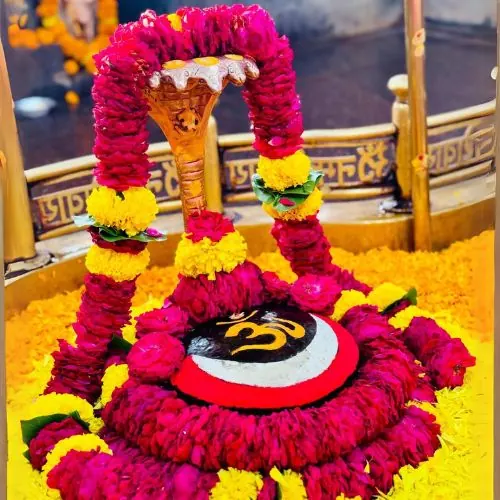
A Rahu–Ketu shanti with Naga puja, for a chart where every graha falls on one side of the nodal axis.
The Tryambakam mantra of Shiva recited in a fixed count by Vedic pandits, with abhishek and a closing havan.

Nine grahas invoked together — each with its own grain, colour and mantra — closed with a havan.
Call with the birth details and fix the date with the pandit before you travel to Ujjain.