
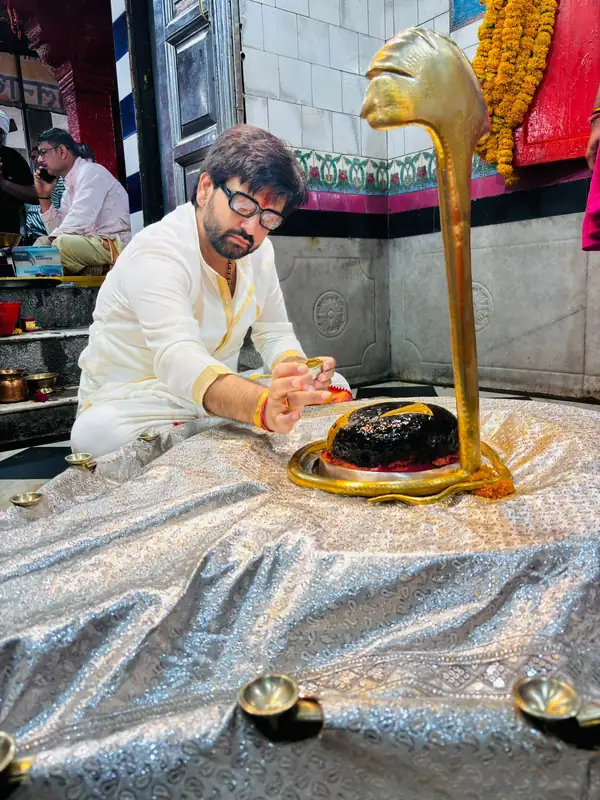
Mangal Dosh Puja in Ujjain
The shanti families book after kundli matching shows Manglik Dosh — done where Mangal is worshipped as Mangalnath.
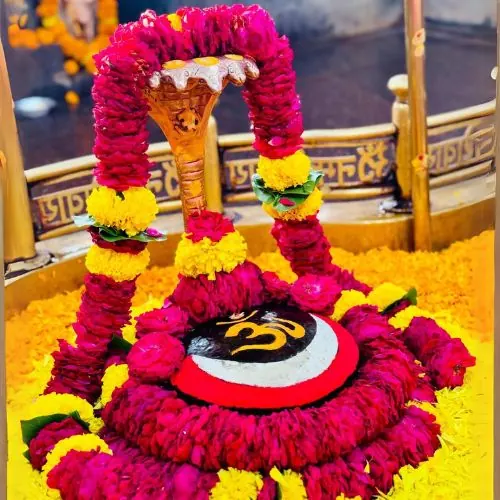
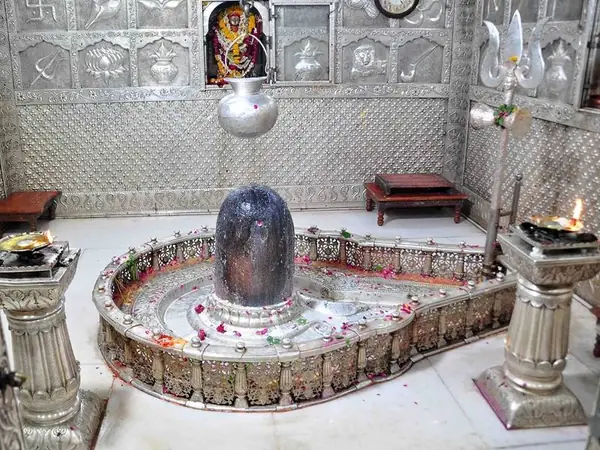
Bhaat Puja is the rite Mangalnath Mandir is known for across India: cooked rice is laid over the Shivling as an offering to Mangal. If an elder or an astrologer has told you to go to Ujjain for Bhaat Puja, this is the puja they meant.
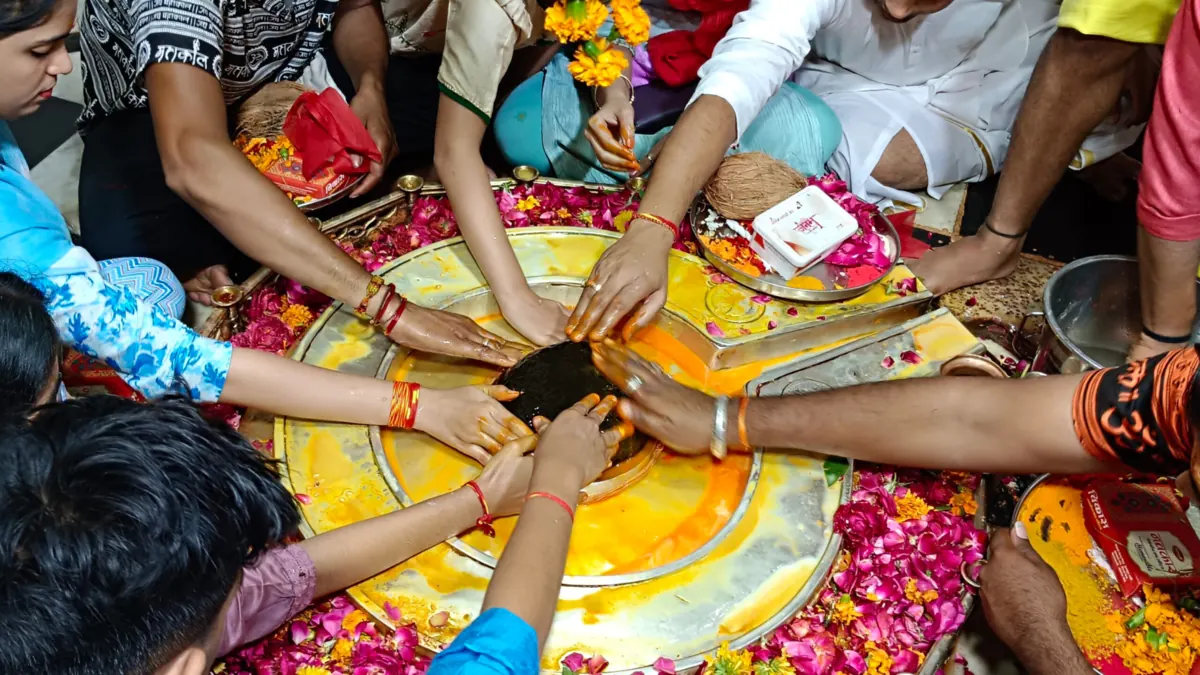
Bhaat simply means cooked rice. In this puja the Shivling of Mangalnath is first given abhishek and then covered with cooled, cooked rice while the Mangal mantras are recited. The family makes the offering with their own hands.
The tradition explains it through the nature of the graha. Mangal is fiery — born of heat, coloured red, ruling fire and iron. Rice is cool and sattvik. Offering bhaat to Mangalnath is a prayer that this heat be calmed in the life of the person named in the sankalp.
The puja is spelt many ways — Bhat Puja, Bhaat Pooja, Bhat Pujan — and all refer to the same rite at this temple.
Usual duration: about 45 minutes to 1 hour. The order and the mantra count follow what the pandit reads in your kundli, so the timing is confirmed when you book.
Bhaat Puja is the shorter offering. Mangal Dosh Nivaran Puja is the complete shanti with Navgraha sthapana, jaap and havan. For a Manglik chart before marriage, pandits generally advise both on the same visit; for a vow or a thanksgiving, Bhaat Puja alone is usual. Share the kundli and you will be told which applies.
The dakshina depends on the vidhi your chart calls for — the number of pandits, the mantra jaap and whether a havan is included. It is told to you on the call, in full, before a date is fixed. Samagri is arranged at the temple, so you do not have to shop for it in an unfamiliar city.
Read in Hindi: मंगलनाथ मंदिर की पूजा विधि
It is the offering of cooked rice over the Shivling of Mangalnath, made for the shanti of Mangal. It is the puja this temple is most widely known for.
Usually around forty-five minutes to an hour. The exact time depends on the day and on whether another puja is being done with it.
The dakshina with samagri is told on the call before you book. It varies with whether you book Bhaat Puja alone or together with Mangal Dosh Puja.
It can be done on any day. Tuesday is preferred by many because it is Mangal's day, so Tuesday slots are requested the most.
Yes. Devotees also offer bhaat as a vow, a thanksgiving, or simply as worship of Mangalnath.
Yes, it is strongly advised. A call beforehand lets the pandit keep the rice, the samagri and your time slot ready.
The shanti families book after kundli matching shows Manglik Dosh — done where Mangal is worshipped as Mangalnath.
A Rahu–Ketu shanti with Naga puja, for a chart where every graha falls on one side of the nodal axis.
The Tryambakam mantra of Shiva recited in a fixed count by Vedic pandits, with abhishek and a closing havan.

Nine grahas invoked together — each with its own grain, colour and mantra — closed with a havan.
Page reviewed on by the pandits of Mangal Nath Mandir, Ujjain.
Keep the birth details ready and call. The pandit tells you the date, the duration and the dakshina on the same call.