
Mangal Bhaat Puja in Ujjain
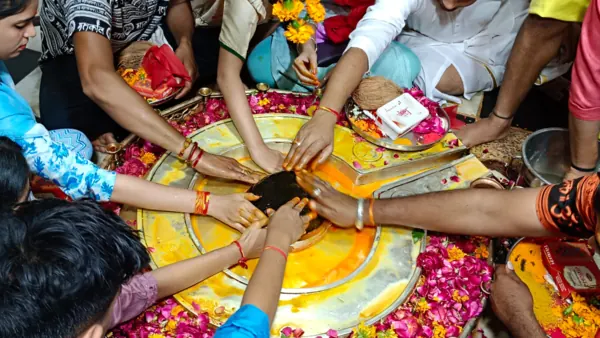
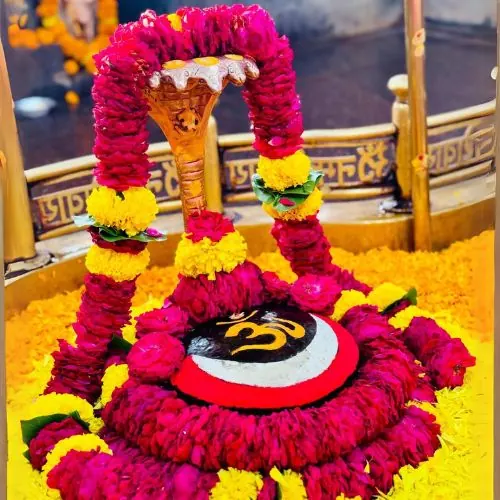
Cooked rice laid over the Shivling — the offering Mangalnath Mandir is known for across the country.
Kundli matching has shown Manglik Dosh and the family wants the shanti done properly, once. Mangal Nath Mandir in Ujjain is where Mangal himself is worshipped — and the puja here begins with reading your chart, not with a fixed package.
A chart is called Manglik when Mangal (Mars) sits in the 1st, 4th, 7th, 8th or 12th house counted from the lagna; several traditions count the 2nd house and also check from the Moon and Venus. The question comes up most often at the time of marriage.
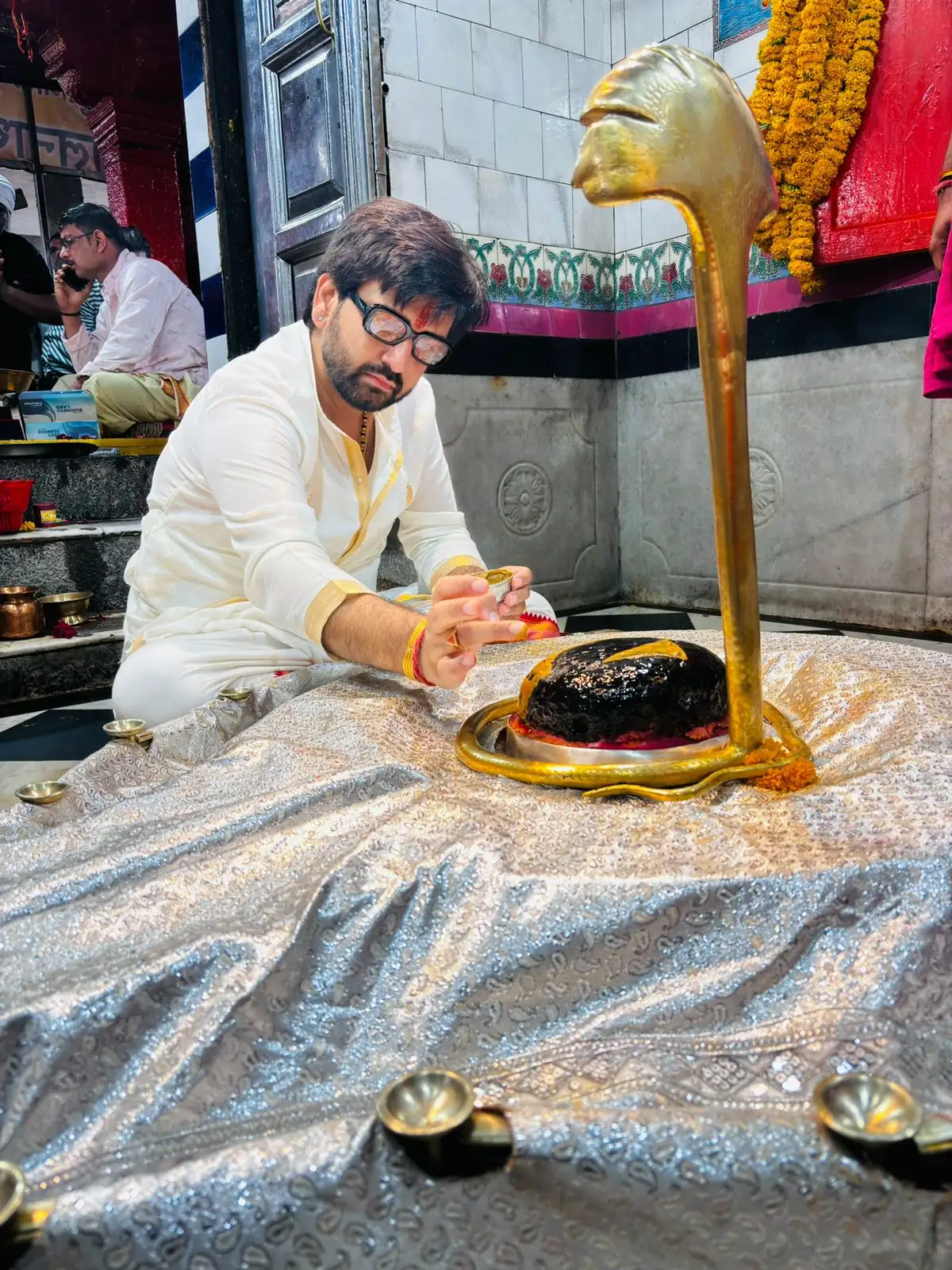
Mangal Dosh Nivaran Puja is the Vedic shanti for this placement. Mangal is invoked with his own mantra, red flowers, red cloth and masoor dal; the Shivling of Mangalnath is given abhishek; and the puja closes with a havan.
It is a prayer for balance — for the drive and heat of Mangal to work for the household rather than against it. It is performed with shraddha, and the pandit will tell you honestly if your chart does not need it.
Usual duration: about 1½ to 2 hours. The order and the mantra count follow what the pandit reads in your kundli, so the timing is confirmed when you book.
Both are done for Mangal at this temple and they are often confused. Mangal Bhaat Puja is the shorter rite in which cooked rice is offered over the Shivling. Mangal Dosh Nivaran Puja is the fuller shanti with jaap and havan. Many families do both on the same visit; the pandit advises after seeing the chart. If you first want to understand the dosh itself, read what Mangal Dosh means.
The dakshina depends on the vidhi your chart calls for — the number of pandits, the mantra jaap and whether a havan is included. It is told to you on the call, in full, before a date is fixed. Samagri is arranged at the temple, so you do not have to shop for it in an unfamiliar city.
Read in Hindi: मंगल दोष के उपाय · मंगल दोष निवारण पूजा विधि
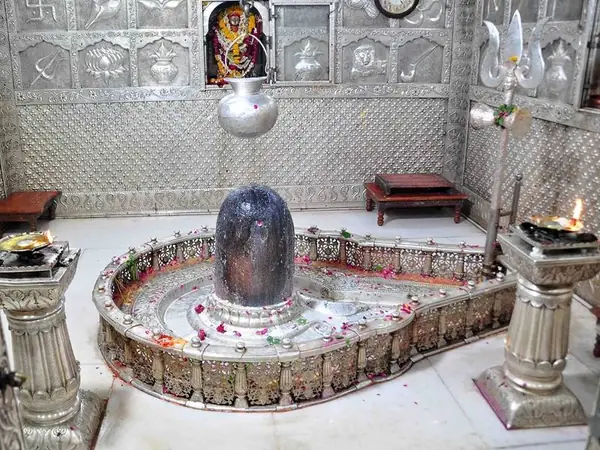
Mangalnath Mandir in Ujjain is named in the Matsya Purana as the place where Mangal was born. Worshipping the graha at his own place of origin is why families travel here for this puja.
Usually between one and a half and two hours, depending on the jaap count and the havan. The pandit confirms the timing for your vidhi at the time of booking.
The dakshina depends on the vidhi your chart needs — number of pandits, jaap and havan. It is told in full on the call before you book, and samagri is included in that figure.
Yes. Many couples sit for it together after the wedding. The sankalp is then taken in both names.
Only the person whose chart shows the dosh needs to sit. If both charts are Manglik, or the couple is married, both usually sit together.
It is sometimes possible on a weekday, but please call a few days ahead. Tuesdays and wedding-season dates fill early.
Cooked rice laid over the Shivling — the offering Mangalnath Mandir is known for across the country.
A Rahu–Ketu shanti with Naga puja, for a chart where every graha falls on one side of the nodal axis.
The Tryambakam mantra of Shiva recited in a fixed count by Vedic pandits, with abhishek and a closing havan.

Nine grahas invoked together — each with its own grain, colour and mantra — closed with a havan.
Page reviewed on by the pandits of Mangal Nath Mandir, Ujjain.
Keep the birth details ready and call. The pandit tells you the date, the duration and the dakshina on the same call.